
How a lean inventory approach extends your working capital
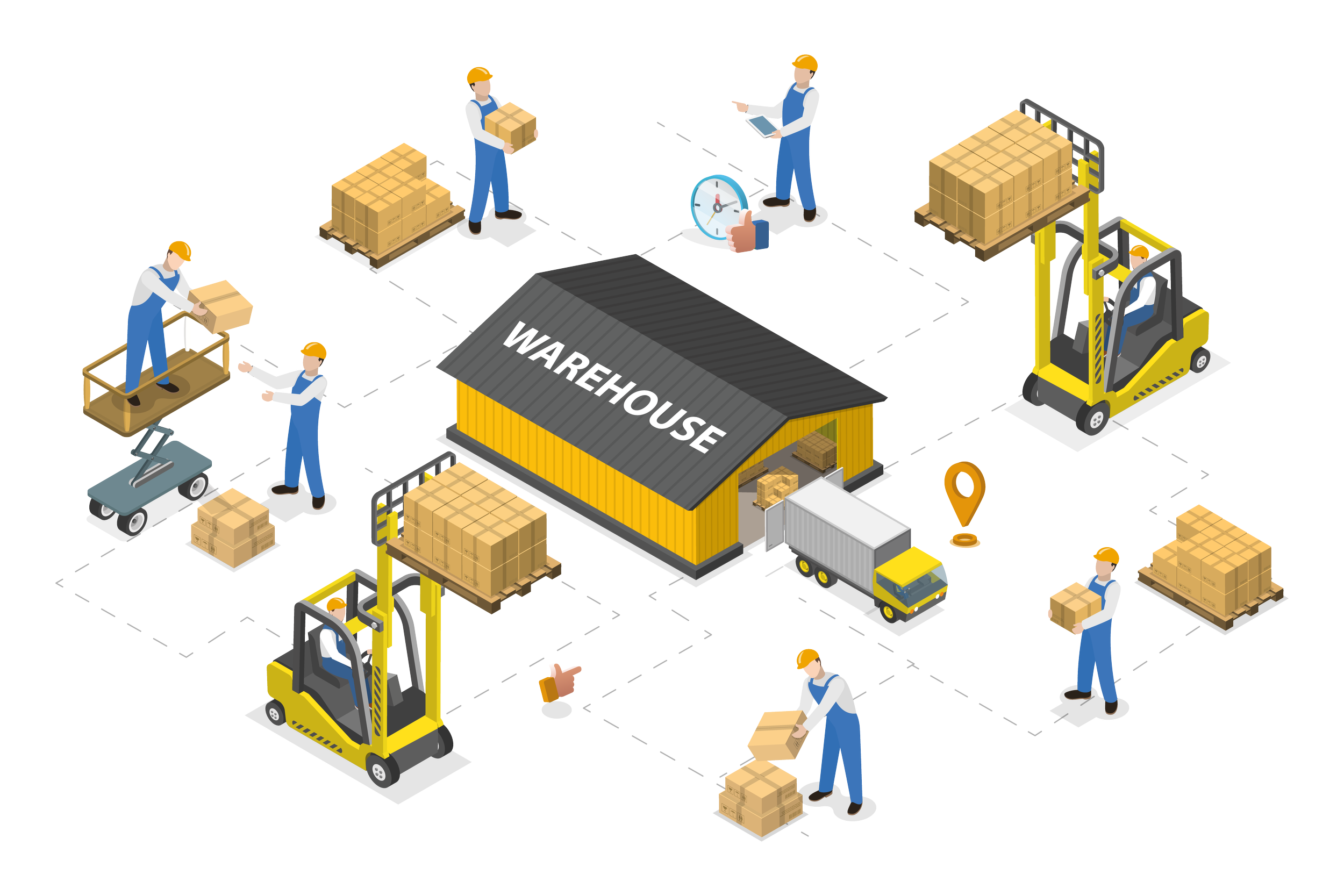
“Q: What’s a lean inventory approach? And how can going lean help me improve my cashflow and working capital?”
If you’re a product-based business, keeping track of your stock and inventory is a major operational task. You need to know how much stock is in the warehouse, what customer orders are expected and whether you’ll be able to service these orders.
It’s also vital to keep on top of the cost of producing or buying this stock, keeping a close eye on your production overheads and company cashflow.
One way to tick both these boxes is to consider a lean inventory approach.
“A: Lean inventory management minimises your stock levels by ordering goods only as needed, reducing storage, holding and waste costs.”
By only producing or ordering goods as they’re needed, you can significantly cut your cash outflows – and that’s great news for your cash position and your working capital.
Here are four key benefits of opting to use lean inventory management:
1. Eliminate unnecessary costs
Inventory carrying costs – including storage space, utilities, insurance and handling – make up a large percentage of the overall purchase value of your products. By maintaining lower, highly precise stock levels and avoiding overproduction, you can quickly cut your operational holding expenses and stop paying overheads on inventory that’s sitting idle.
2. Release cash that’s tied up in stock
When you have stock sitting idle on your shelves, this acts as frozen capital that’s delivering zero return until it’s purchased.
Moving to a ‘pull’ or demand-driven system reduces the lag time between purchasing raw materials and receiving customer payments. This cuts down your immediate cash outflows, freeing up cashflow to drive other operational and growth areas of the business.
3. Cut down the risk of dead stock and spoilage
Over-ordering raw materials or finished goods can frequently lead to obsolescence, spoilage or wastage, creating write-offs that directly hit your bottom line.
Having strict stock controls and demand-driven ordering ensures that materials and perishable goods move continuously, rather than gathering dust, spoiling or losing value.
4. Minimise transportation and handling
Cutting back on unnecessary movement is foundational to a lean inventory approach.
By going lean, you remove any unnecessary transport, excessive handling and wasted motion within warehouses. This isn’t just more efficient; it also reduces labour costs, minimises equipment wear and tear and reduces the chances of product damage during handling.
If you’d like to know more about the core principles of lean inventory, come and talk to us.
Book some time with our team. We’ll help you review your current inventory systems to find the lean opportunities for improved efficiency, costs and streamlining.